Welcome to Senator Celina Villanueva's Legislative Website
Villanueva encourages community-based organizations to apply for pre-apprenticeship funding
- Details
- Category: News
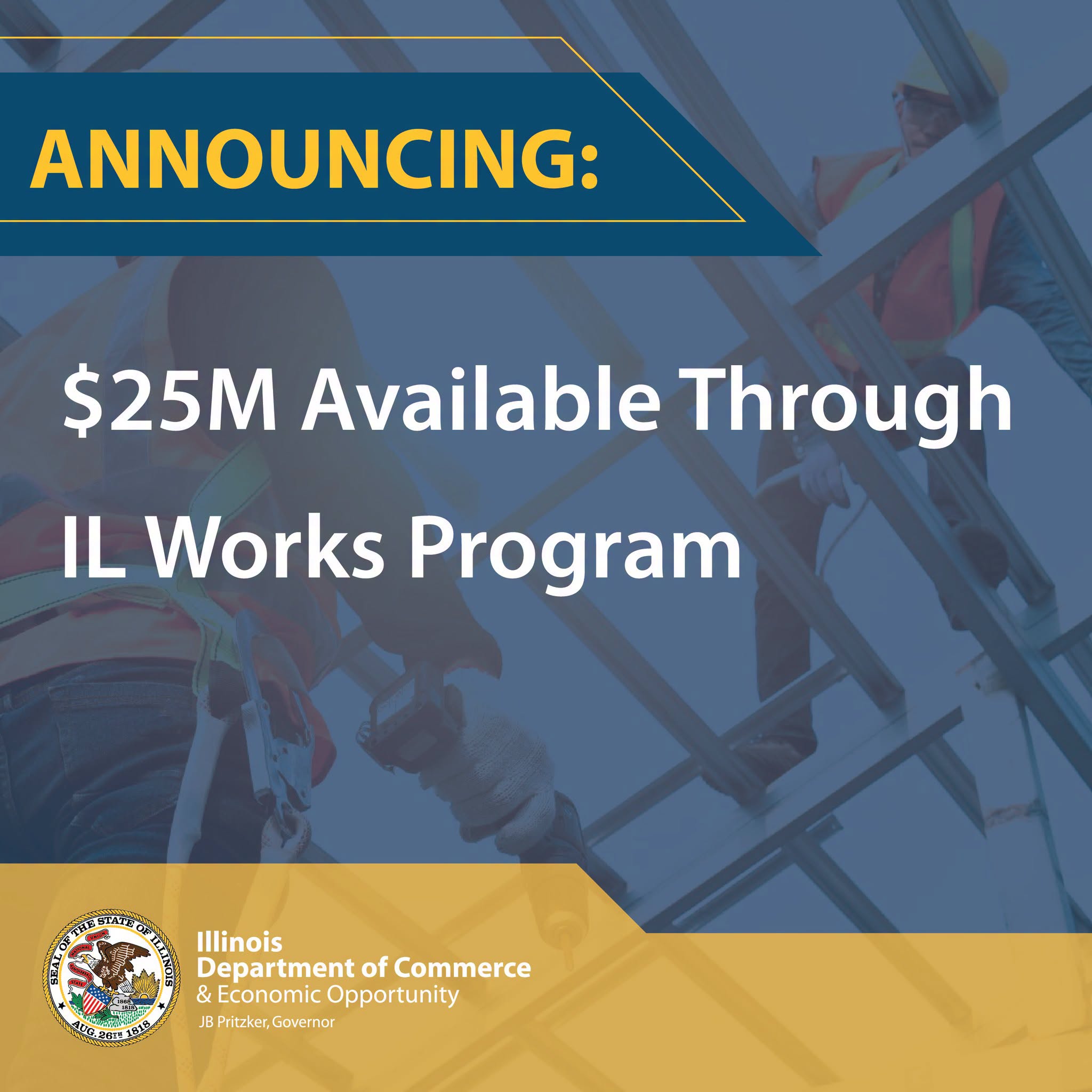 CHICAGO – To expand the 12th District’s talent pipeline and boost diversity in Illinois’ construction and building trades, State Senator Celina Villanueva is encouraging local community-based organizations to apply for the latest round of funding through the Illinois Works Pre-Apprenticeship Program.
“The Illinois Works Pre-Apprenticeship Program has directly increased Latino participation in the construction and building trades, ensuring communities that historically have been overlooked for good-paying, long-term careers are not only considered, but also prioritized, for training experience,” said Villanueva (D-Chicago). “I highly encourage all of the eligible entities in the 12th District to apply for this round of funding so our communities can continue on this path of equity and growth in Illinois’ workforce.”
The Illinois Works Pre-Apprenticeship Program launched in 2021 through the Illinois Department of Commerce and Economic Opportunity with the goal of increasing access to apprenticeship programs to a more diverse pool of candidates. These comprehensive pre-apprenticeship programs help participants gain admission to apprenticeship programs, which provide graduates a greater opportunity to start a long-term career in the trades. Since the program’s inception, Illinois Works has awarded over $70 million to community-based organizations serving over 7,000 Illinois residents.
Villanueva announces disaster assistance available to those impacted by summer storms
- Details
- Category: News
 CHICAGO – State Senator Celina Villanueva is sharing disaster assistance for those affected by the summer storms. Families and businesses in Cook County may be eligible for recovery assistance from the U.S. Small Business Administration, as well as waived tax penalties and interest.
“The communities I represent have been hit with devastating damage in the wake of a record-breaking number of tornadoes and severe thunderstorms this summer, from property flooding to tree damage and other structural issues,” said Villanueva (D-Chicago). “I encourage every resident and business owner impacted by these storms in the 12th District to take advantage of this opportunity so they can focus on what matters most: healing and rebuilding.”
Residents seeking a waiver of penalties and interest for taxes should send a brief written explanation to the Illinois Department of Revenue regarding why they cannot file timely or pay. They should provide their full name, account number (if using a Social Security number, include only the last four digits), mailing address, and an estimate of when they believe they can file or pay their taxes.
Read more: Villanueva announces disaster assistance available to those impacted by summer storms
Villanueva applauds funding for literacy advancements in the 12th District
- Details
- Category: News
 CHICAGO – State Senator Celina Villanueva is proud to announce three local organizations in Chicago will be receiving a combined total of over $400,000 to support adult and family literacy efforts in Illinois.
“We recognize literacy for the multigenerational issue it is, and that means prioritizing educational and literacy advancements for both children and adults in our state,” said Villanueva (D-Chicago). “The 12th District is proudly home to many Latino families who will benefit from access to programs like these, creating a stepping stone to help native Spanish speakers and first-generation Americans successfully assimilate into the United States’ workforce and support their children through the U.S. school system.”
The latest round of funding through the Illinois Secretary of State includes more than $28 million for library services and literacy programs throughout Illinois. Literacy grants promote basic reading, math, writing and English language skills through adult, family and workplace literacy programs.
Read more: Villanueva applauds funding for literacy advancements in the 12th District
Villanueva law to provide survivors with centralized support services
- Details
- Category: News
 SPRINGFIELD – State Senator Celina Villanueva’s strategic approach to addressing domestic violence, sexual violence, stalking and human trafficking, known as the Family Justice Center Act, was signed into law Friday.
“We know survivors of violence often struggle with accessing services, feeling the process is too overwhelming and too confusing to offer any real reprieve,” said Villanueva (D-Chicago). “When someone has a range of needs due to the trauma they’ve experienced, we have to ensure that individual is receiving comprehensive care that meets them where they are in their healing journey.”
A Family Justice Center is a multi-agency, multi-disciplinary service center where public and private agencies assign staff members on a full-time or part-time basis to provide services to survivors of domestic violence, sexual violence, stalking and human trafficking. These centers increase access to services for survivors and their children by reducing the number of times survivors must repeat their accounts and the number of places survivors must go for help. The goal is to ensure families have comprehensive support in one centralized location.
Read more: Villanueva law to provide survivors with centralized support services
More Articles …
Page 1 of 63
Welcome
Welcome to my official Senate website. This will be your tool for news about what I am doing in Springfield, important information regarding the 12th District and events taking place in and around our community.
It is important to me to have a resource available to my constituents with content necessary to keep you informed as well as a place to have your voice heard. Please continue to visit this site as it grows and see how I am working for you.
— Illinois State Senator Celina Villanueva

Follow Sen. Celina


Newsletter Sign-up
Office Info
Springfield Office:
631 Capitol Building
Springfield, IL 62706
217-782-5304
District Office:
2501 S. Central Park Ave.
Front Suite
Chicago, IL 60623
773-565-4661